Revolutionizing waste management with decentralized Anaerobic Digestion

We’re revolutionizing waste management with decentralized Anaerobic Digestion (AD) systems that turns organic waste. Here’s what our AD process creates:

Biogas

A powerful mix of biomethane (~55%) and bio-CO2 (~45%), perfect for renewable energy. We even capture high-purity streams of both gases for added value.

Digestate

A nutrient-packed biofertilizer that’s a game-changer for soil health. It’s customizable into wet or dry forms for maximum impact on farms.

What is Anaerobic Digestion?

Anaerobic digestion is a biological process where microorganisms break down organic materials, like food scraps, garden waste, and other biodegradable waste, without oxygen. This happens in a sealed anaerobic digester, where the organic waste is heated and mixed to speed up the decomposition process. The end product is Bio Methane, a renewable energy source that can be used for electricity generation, heating, or even as vehicle fuel. The leftover material, called digestate, is a nutrient-rich by-product that can be used as a natural fertilizer for sustainable agriculture. Transform your waste into powerContact us today!

Why Anaerobic Digestion is Essential ?

Anaerobic digestion is essential as it converts organic waste into clean renewable energy, reducing reliance on fossil fuels. It also produces nutrient-rich biofertilizer, supporting sustainable agriculture and a circular economy.

Cuts Greenhouse Gases

Captures methane to reduce emissions and provides
renewable energy.
Turns Waste into Energy

Converts waste into clean biogas, reducing fossil fuel use.

Reduces Landfill Waste

Diverts waste, cutting disposal costs and supporting a circular economy.
Creates Natural Fertilizer

 Produces nutrient-rich digestate for sustainable farming.

Meets Regulations

Ensures compliance with eco-friendly waste management rules.

Why Decentralized?

Anaerobic digestion is decentralized because it can be set up on a small scale close to waste sources, reducing transport costs.
It provides local energy and fertilizer solutions, making communities more self-sufficient.

Own Your Energy

Own Your Energy

Turn food waste into biogas, powering your community or facility.

Community Power

Community Power​

Get locals involved in waste management and renewable energy solutions.
Cut Emissions

Cut Emissions

Less transportation means fewer carbon emissions.
Speed It Up

Speed It Up

Faster processing = less waste sitting around
Why Anaerobic Digestion is a Win for Bulk Waste Generators (BWGs)

Energy from Waste

Convert organic waste into biogas for power, heating, cooking, or CNG for larger plants.

Cost Savings & ROI

Reduce waste disposal costs, generate valuable resources, and improve your bottom line.

Eco-Impact

Lower emissions, reduce landfill waste, and boost sustainability efforts.

Compliance Made Easy

Meet local environmental regulations effortlessly and avoid penalties.

Government Support

Access subsidies, tax benefits, and incentives for renewable energy and waste management projects.

Green Branding

Enhance your brand with eco-credentials and attract sustainability-focused clients.

Maximize Resources

Turn waste into energy and compost, promoting a circular economy.

Carbon Credit Opportunities

Earn and trade carbon credits from reduced emissions and renewable energy generation.

For seamless AD plant operations,
we’ve got you covered

We offer tailored, flexible solutions that are built to meet the unique needs of Bulk Waste Generators (BWGs), ensuring responsible disposal or processing onsite compliant with local regulations.

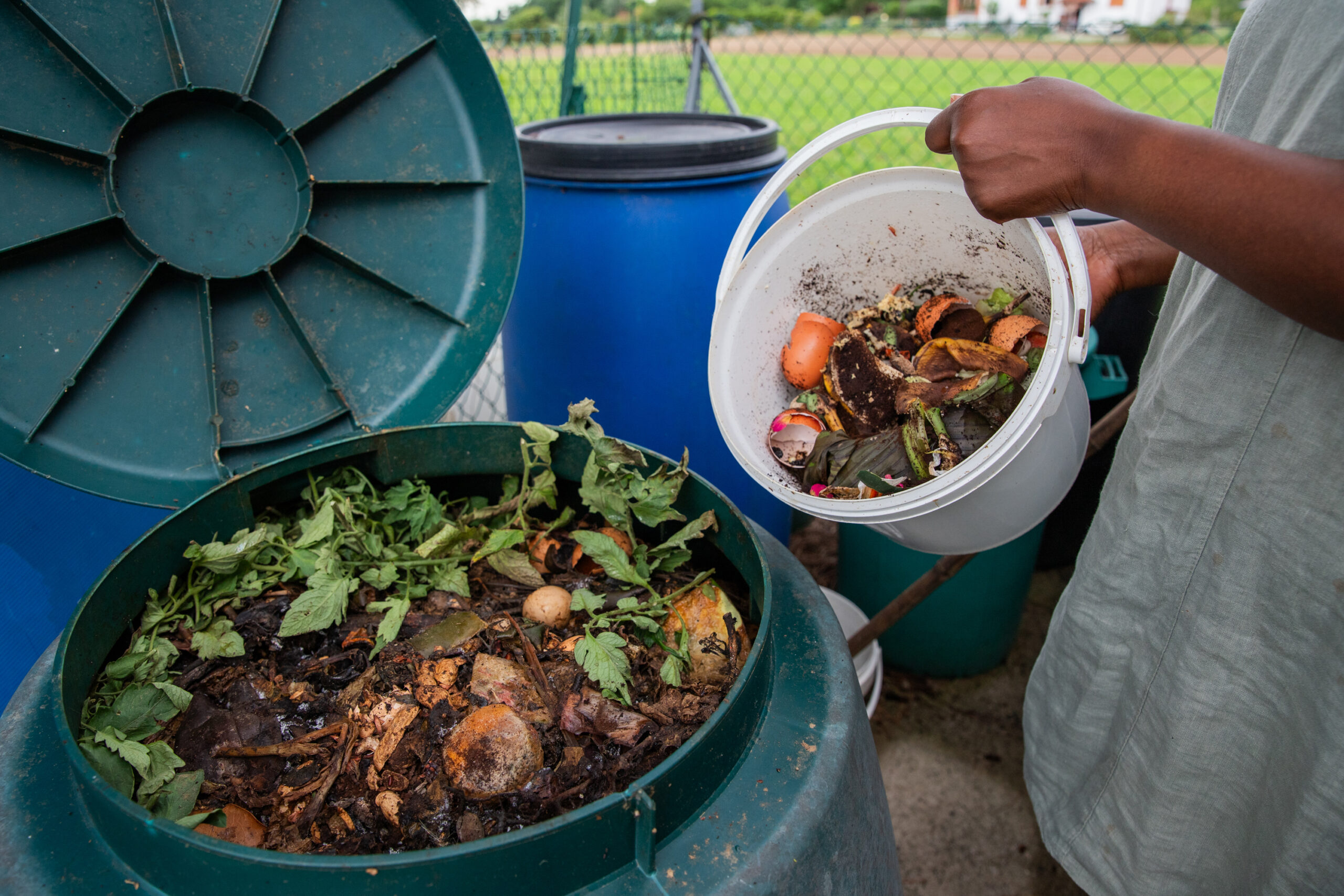
A woman empties a bucket of organic waste into a compost bin

On-Site Operations Support

Our team ensures everything runs smoothly, from waste handling to biogas production, optimizing efficiency every step of the way.

Plant Health & Maintenance

Regular monitoring and maintenance to keep your plant in top shape, ensuring consistent performance and maximum yield—because we believe in sustainability that lasts.

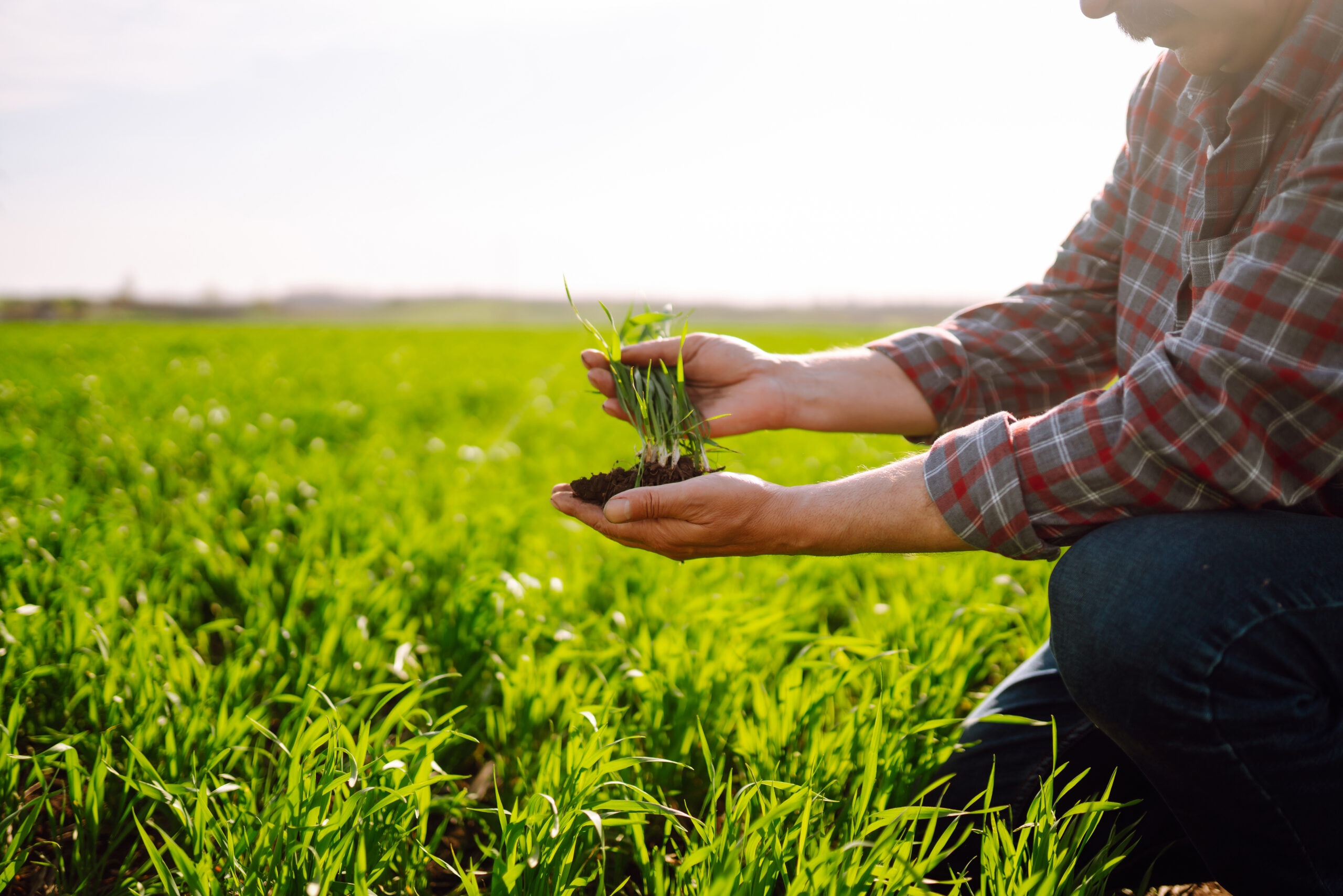
Young Green wheat seedlings in the hands of a farmer. Checking wheat field progress.