Biogas plant solutions, end to end
Four operational services and two build services, designed as one chain. You can buy any part of it, but the economics work best when the same team owns the waste from the bin to the burner.
Waste Collection and Segregation
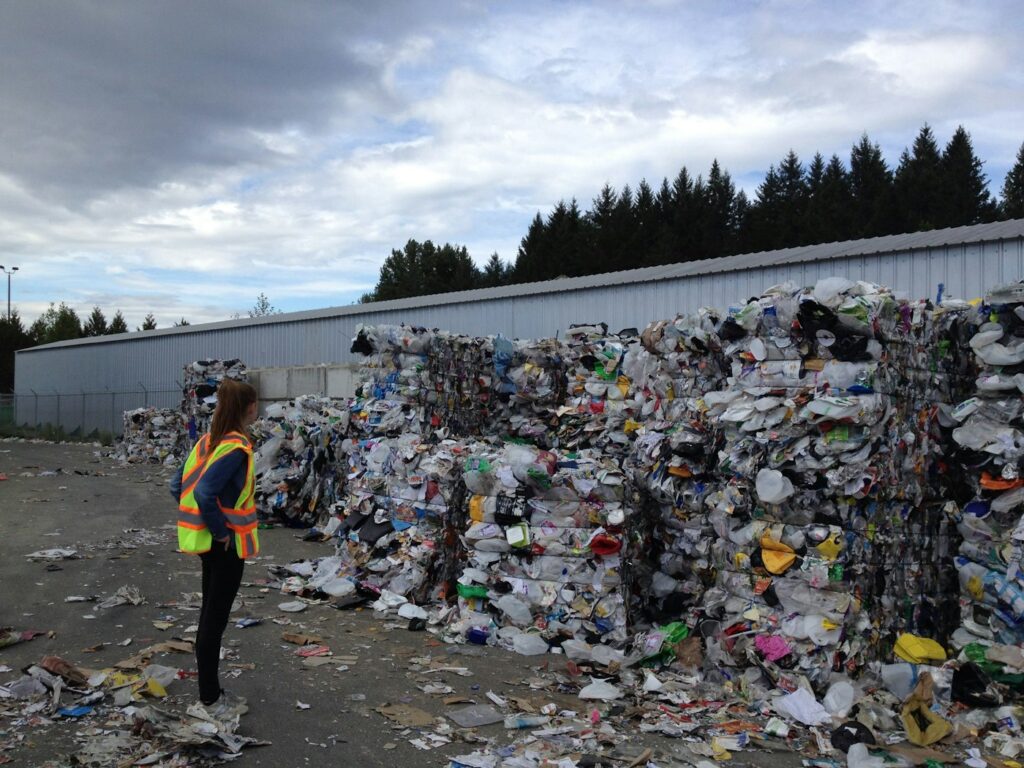
A digester is only as good as what you put in it. Roughly 70% of underperforming biogas plants we are called in to rescue have a feedstock problem, not a process one: plastic, glass, sand and cleaning chemicals arriving with the food.
So we start upstream. We map your waste streams, place colour-coded intake points where people actually stand, and run a scheduled collection route with weighbridge capture at every pickup. Contaminant removal happens before material reaches the shredder, not after it has already scoured a pump.
- Bin-level segregation design, signage, placement and staff training tailored to each site
- Routed GPS-tracked collection with leachate-sealed vehicles and load logged per stop
- Mechanical screening: trommel, magnetic and density separation ahead of the digester
- Rejects handling routed to authorised recyclers, fully documented
Anaerobic Digestion, Decentralised
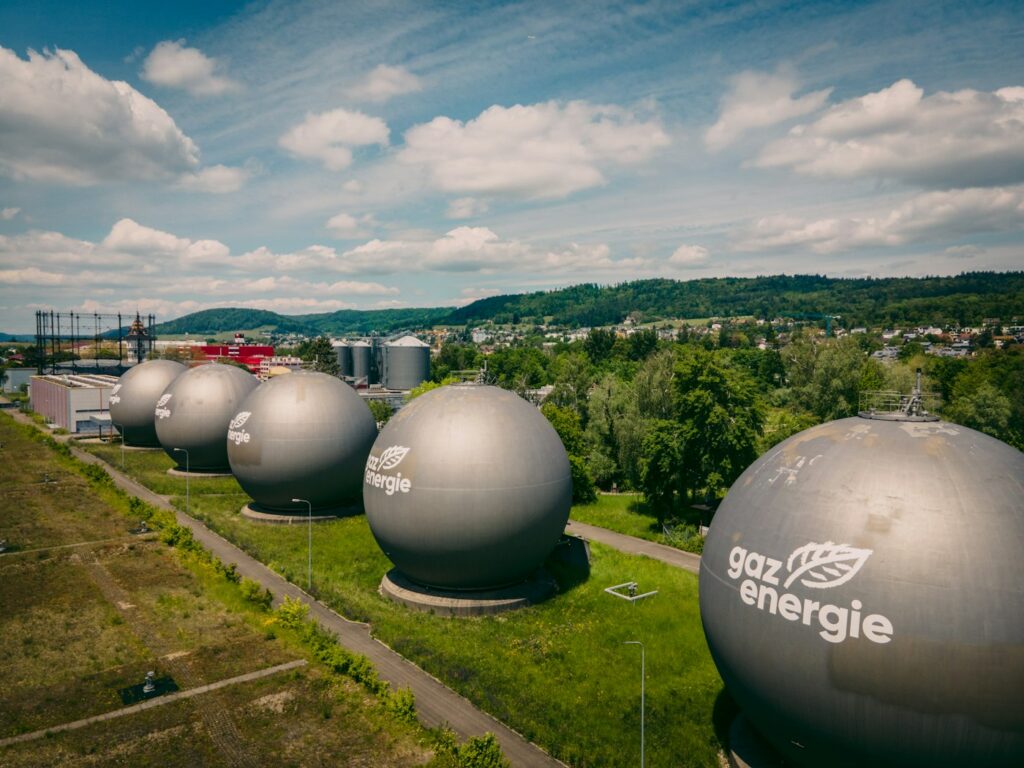
Anaerobic digestion is a four-stage microbial process running in a sealed, oxygen-free vessel: hydrolysis, acidogenesis, acetogenesis and methanogenesis. Get the temperature, retention time and carbon to nitrogen ratio right and roughly 55 to 65% of the resulting gas is methane.
Why decentralised. Wet waste is 70 to 80% water. Trucking it to a central plant means paying diesel to move water, then paying again to treat the leachate that escapes en route. Siting a right-sized digester at or near the generator removes both costs and drops the project carbon footprint before a single cubic metre of gas is made.
- Two-stage mesophilic design at 35 to 40 C with 18 to 30 day retention
- Modular from 300 kg per day to 60 TPD, add vessels as volume grows
- Automated feed dosing keeps the organic loading rate steady
- Live telemetry streams pH, temperature, gas flow and methane fraction
Gas Collection and Distribution
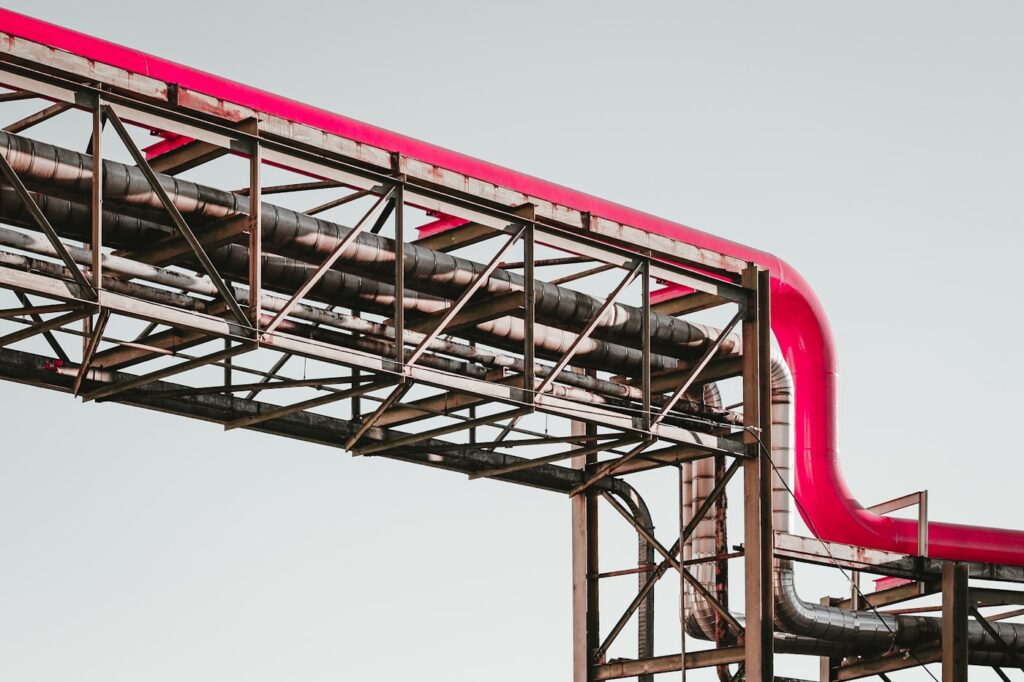
Raw biogas leaves the digester wet, at low pressure, and carrying hydrogen sulphide that will corrode anything it touches. Everything between the dome and the burner exists to fix those three problems safely.
We install the full train: gas holder, moisture knock-out, H2S scrubbing, blower, and either direct low-pressure piping for thermal use or membrane upgrading and compression where the gas needs to travel or be bottled. Every metre is designed to gas-piping code with flame arrestors, pressure relief and leak detection as standard rather than as an upgrade.
- Purification train: H2S below 200 ppm for engines, below 10 ppm for upgrading
- MDPE and GI distribution networks to kitchens, boilers, gensets and drying floors
- Per-outlet metering so consumption can be allocated or billed
- CBG bottling and industrial offtake arrangements where yield exceeds on-site demand
Process Flow
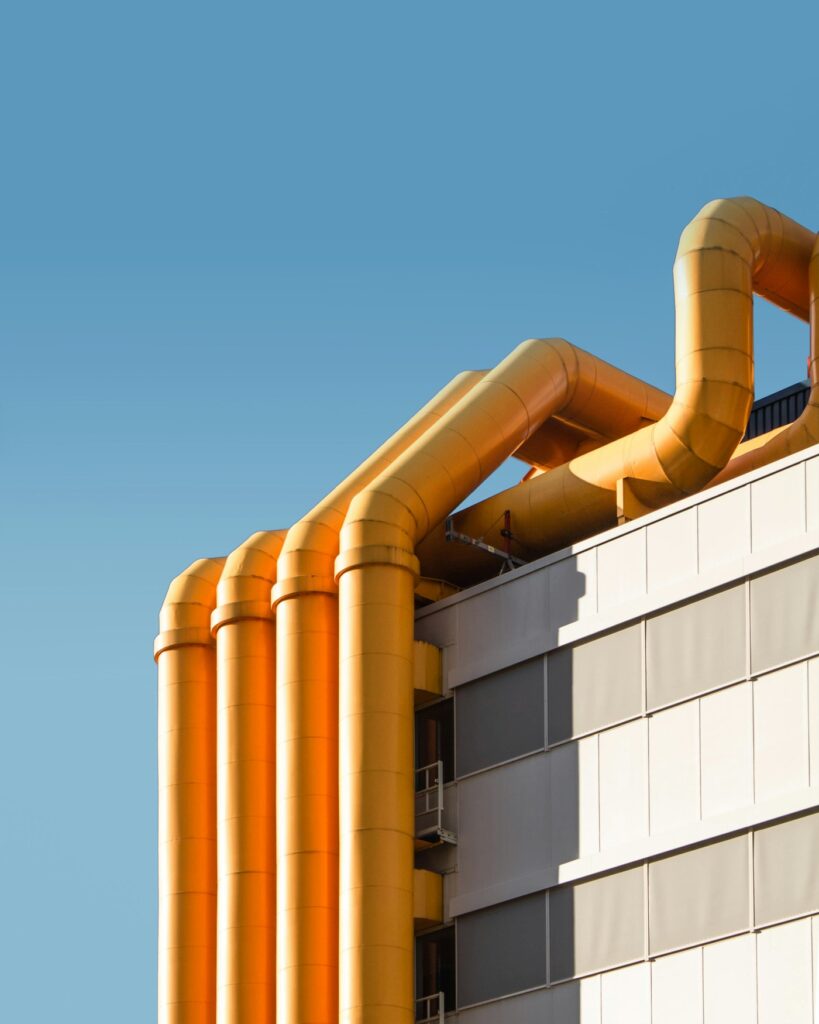
The complete path from waste to output, with the by-product line that turns a residue into a product. Every stage is instrumented and logged, which is what makes the monthly emissions report defensible.
Intake and segregation feeds pre-treatment, which feeds sealed digestion. Gas is captured and upgraded on one side, while digestate is separated and cured into biofertiliser on the other. Nothing leaves the site unmeasured.
- Retention: 18 to 30 days hydraulic retention, tuned per feedstock mix
- Yield: 60 to 110 cubic metres of biogas per tonne of wet feedstock
- Digestate: roughly 60 to 70% of input mass returns as liquid and solid digestate
- Monitoring: pH, temperature, flow and methane fraction logged continuously
The residue is the second product
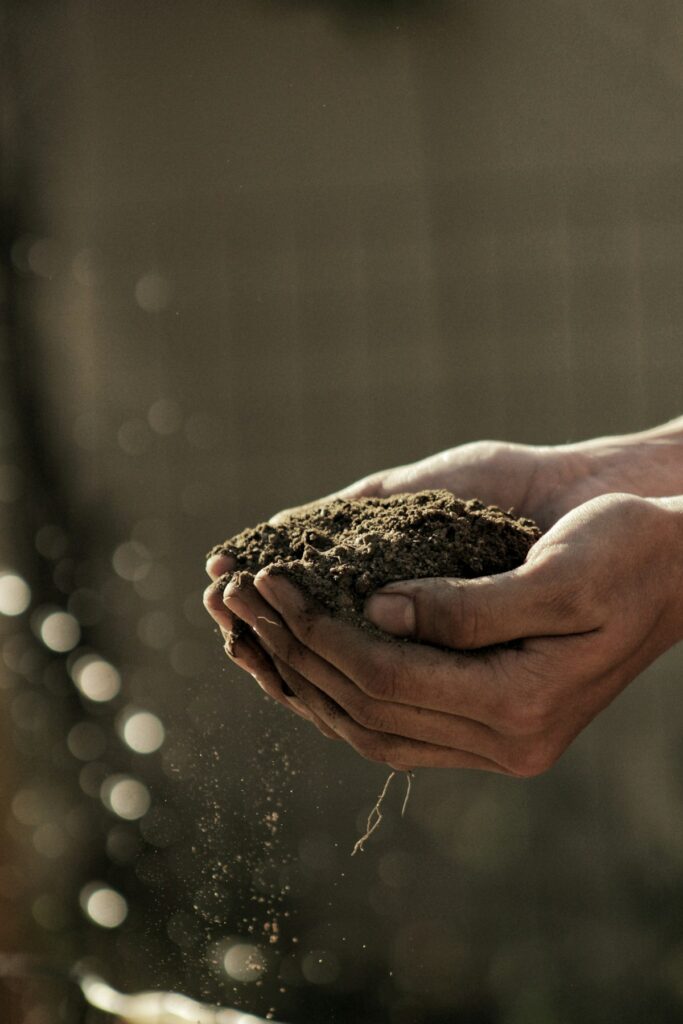
Digestion removes carbon as gas but leaves nitrogen, phosphorus, potassium and micronutrients almost entirely intact, in a form plants take up more readily than raw manure. Treated properly, digestate is a certified biofertiliser, not a disposal liability.
We separate the digestate into a liquid fraction for fertigation and a solid fraction that is cured, screened and, where the client wants a retail product, bagged. Every batch is laboratory-tested for NPK, organic carbon, pH, moisture and pathogen count before it leaves site.
- Field applications: basal dressing, fertigation through drip lines, nursery media
- Measurable organic-carbon gain and better water-holding capacity over two to three seasons
- Batch-tested to FCO-aligned specifications with a certificate of analysis per lot
- We buy back surplus digestate from client plants and route it to agri co-operatives
From site assessment to signed-off commissioning
Most failed biogas projects were decided before construction started: a wrong feedstock assumption, no realistic demand for the gas, a footprint that ignored the truck turning circle. Our consulting exists to catch those in week one, not year two.
Site assessment
Waste characterisation, volume audit over a full cycle, space and utility survey, gas demand mapping.
Custom plant design
Process design, P and ID, civil and structural drawings, and a bankable techno-economic model.
Approvals support
Pollution board consents, subsidy and incentive filings, and safety documentation prepared with you.
Install and handover
Supervised construction, seeding and stabilisation, operator training, and an O and M contract if you want one.
Before you ask us for a proposal
The six questions almost every prospective client opens with.
For sites with steady feedstock and on-site gas demand, most installations we build reach payback in three to five years. Hospitality and food processing sit at the fast end because they displace expensive LPG or diesel at the point of use. Municipal and residential projects often run longer on pure energy value but improve sharply once avoided haulage, tipping fees and compliance costs are counted.
A 300 to 500 kg per day society unit fits in about 40 to 60 square metres including the intake area and gas holder. A 5 TPD plant needs roughly 400 to 600 square metres. Beyond 20 TPD you are looking at a dedicated yard with vehicle access and a weighbridge. Height matters as much as area.
Small prefabricated units take six to ten weeks from order including civil work. Mid-size plants of 2 to 10 TPD take four to six months. Large industrial installations take eight to fourteen months, usually gated by approvals rather than construction. Add three to six weeks after mechanical completion for seeding and biological stabilisation.
Daily work is feeding, a visual check and a log entry, typically 45 to 90 minutes for a site operator we train. Monthly we service pumps, agitators and scrubber media. Annually the digester is inspected and the gas train recertified. Under an operations contract our field team handles the monthly and annual work and monitors telemetry continuously.
Anaerobic digestion happens in a sealed vessel, so the process itself is enclosed. Odour comes from open storage of untreated waste, which is exactly what the plant removes. Sites we build have covered intake, negative-pressure handling where needed, and biofilters on the tipping area. Every installation gets flame arrestors, pressure relief, gas detection with automatic shutdown, and bunded electrical zones.
This is why we audit across a full cycle rather than taking a single week. Digesters tolerate variation better than most people expect, but they dislike sudden swings. We design to the sustained minimum, add modular capacity for peaks, and where a site has genuine off-season gaps we arrange supplementary feedstock to keep the biology alive rather than restarting it every year.
Get Started with AeroShakti
A simple way to start turning your food waste into renewable energy.
CONNECT
Whether you are a hotel, hospital, residential community, institution, airport, food manufacturer or municipality, our team will assess your organic waste stream and recommend the most effective waste-to-energy solution. Every enquiry begins with a consultation focused on sustainability, operational efficiency and long-term value.
TRANSFORM
Our experts evaluate your waste generation, available space and operational requirements to design a customised collection and processing solution. From container placement and collection schedules to regulatory compliance and commissioning, we ensure a seamless implementation tailored to your facility.
BENEFIT
Your organic waste is transformed through advanced biomethanation into renewable biogas, green electricity and nutrient-rich organic fertiliser — reducing landfill dependence, lowering your carbon footprint and returning measurable value to your operation.
Ready to implement biogas solutions? Reach us for a free consultation.
Send us your waste volumes and location. You get an indicative plant size, expected gas output and a payback range within three working days.