Biogas plant solutions, end to end
Six services, from a single collection round to a plant we design, build and run. Take any part of it, or the whole chain.
Organic Waste Collection & Segregation
Effective organic waste management begins with proper segregation at source. We work with businesses, institutions and municipalities to establish simple, practical waste segregation systems that improve collection efficiency and maximise resource recovery.
Our trained collection teams ensure segregated organic waste is collected safely, transported hygienically and delivered to our decentralised biomethanation facilities, where it is transformed into renewable energy and nutrient-rich biofertiliser.
- Source segregation guidance and staff awareness support
- Scheduled or customised collection plans to suit your operations
- Hygienic handling and trained collection personnel
- End-to-end traceability from collection to processing
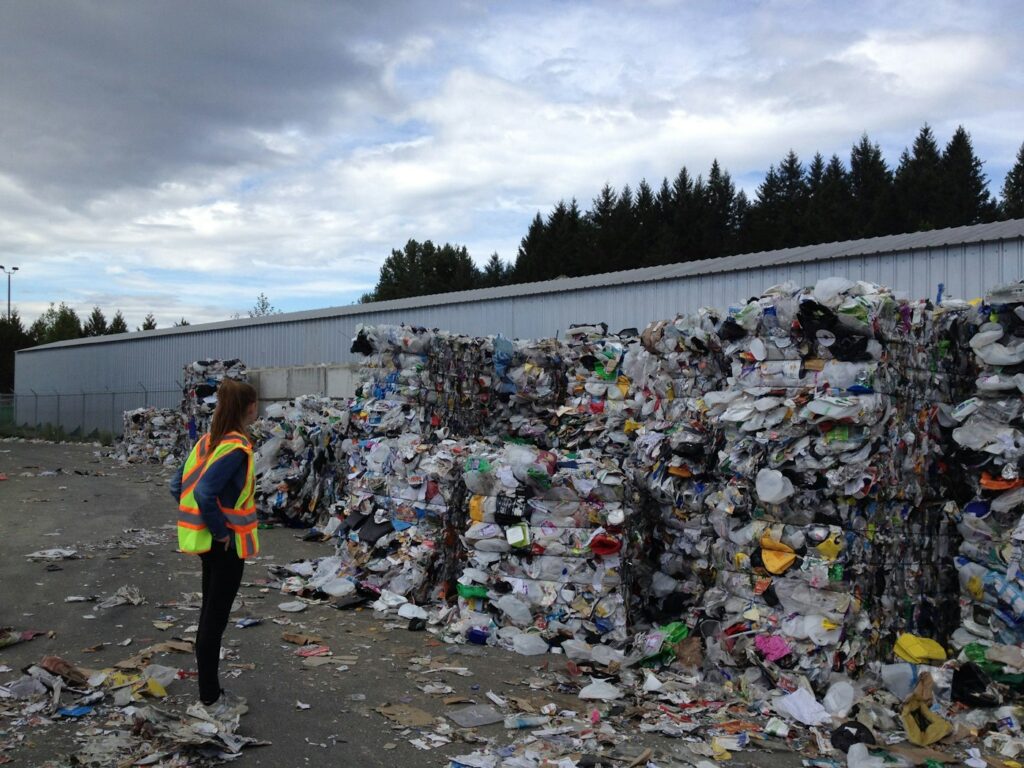
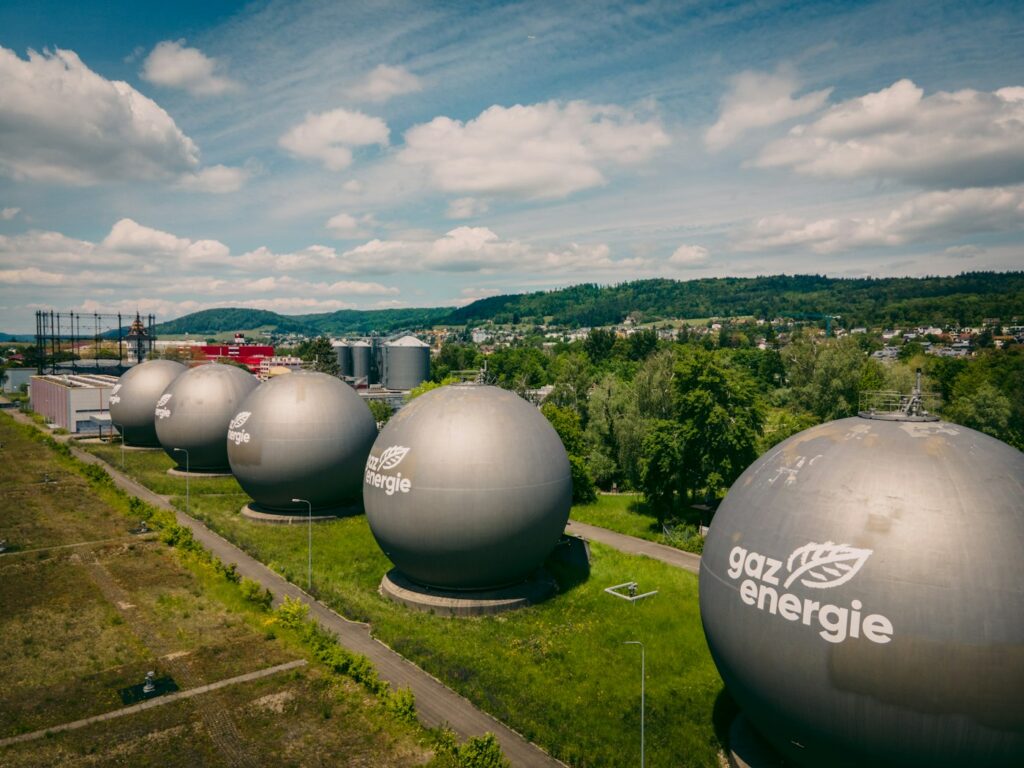
Bulk Organic Waste Collection
Dependable collection for businesses generating large volumes of food and biodegradable waste. Customised schedules and decentralised processing keep waste moving without interrupting your operation.
From hotels and restaurants to hospitals, food manufacturers, corporate campuses and municipal markets, we build the round around your peak hours, your floor space and your compliance reporting.
- Daily fixed rounds or on-demand call-off during seasonal peaks
- Bulk containers, compactors and hook loader units for high volumes
- Hygienic container exchange on every visit
- Weight and destination logged for every load
Turnkey Solution
We design, build, commission and run the plant as a single scope, so nothing falls into the gap between the engineering and the operation.
Site survey and feasibility, plant design, approvals support, installation, commissioning and ongoing operation, under one contract and one point of contact.
- Site survey, feasibility and indicative payback before you commit
- Plant designed around your available space and worst-month volume
- Approvals and pollution control board paperwork handled with you
- Commissioning and day-to-day operation by our own teams
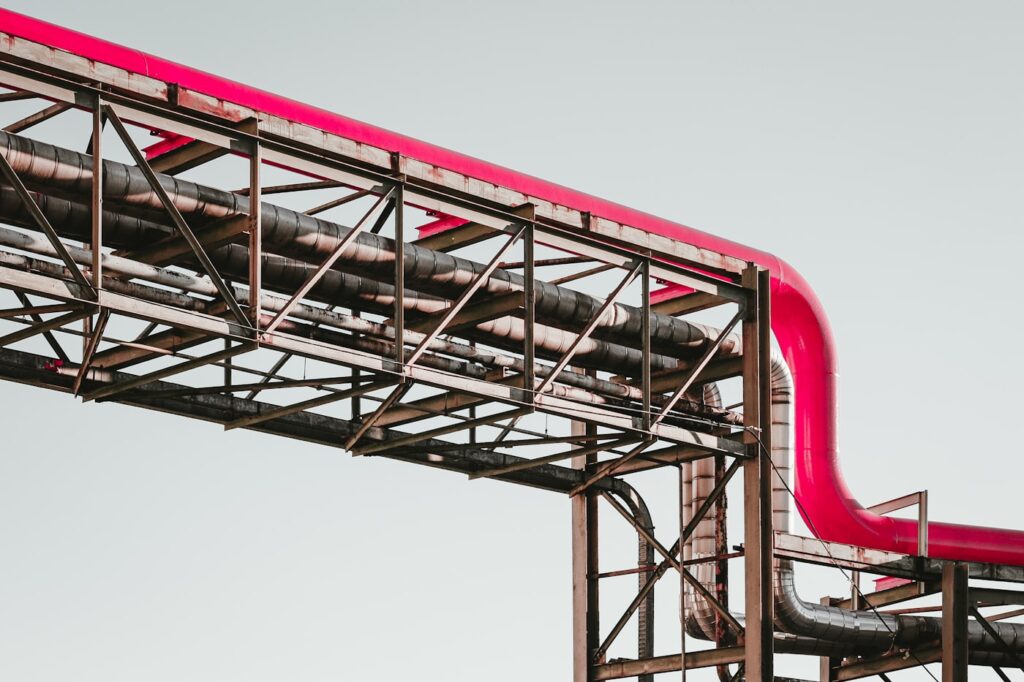
The residue is the second product
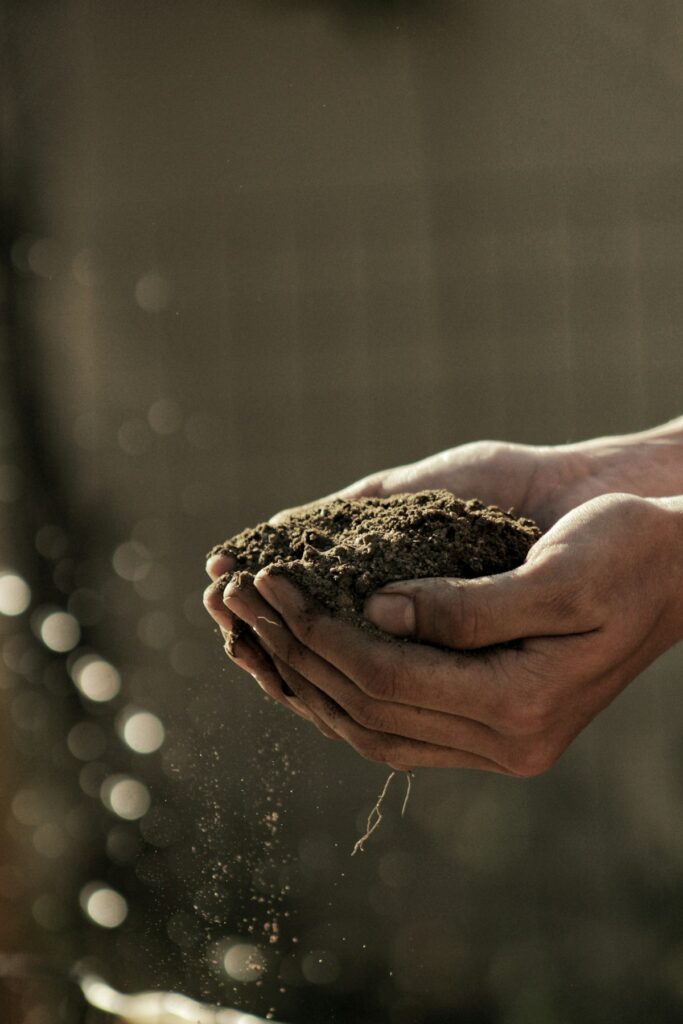
Digestion removes carbon as gas but leaves nitrogen, phosphorus, potassium and micronutrients almost entirely intact, in a form plants take up more readily than raw manure. Treated properly, digestate is a nutrient-rich biofertiliser, not a disposal liability.
We separate the digestate into a liquid fraction for fertigation and a solid fraction that is cured, screened and, where the client wants a retail product, bagged. Every batch is laboratory-tested for NPK, organic carbon, pH, moisture and pathogen count before it leaves site.
- Field applications: basal dressing, fertigation through drip lines, nursery media
- Measurable organic-carbon gain and better water-holding capacity over two to three seasons
- Batch-tested to FCO-aligned specifications with a certificate of analysis per lot
- We buy back surplus digestate from client plants and route it to agri co-operatives
Trial Service
Run a full collection cycle at your site before committing to anything. We set the service up around your routine, watch how it behaves for a few weeks, then adjust it with you.
We start with a conversation
Tell us about your site, your organic waste and how you handle it now.
You run it live
We build a trial around your real pickup times, container placements and volumes.
We fine-tune as we go
If volumes shift or collection times need a tweak, we adapt during the trial.
You decide
Continue, change the plan or walk away. No long-term commitment to start.
See the numbers before you talk to anyone
Pick your sector, enter one number and the calculator estimates your annual organic waste, renewable energy, biogas, biofertiliser and carbon avoided. No form, no wait.
The figures are indicative, based on our own engineering assumptions, and we confirm them against a site survey before anything is quoted. It is the fastest way to find out whether a plant is worth discussing at all.
- Sector presets for hospitals, campuses, hotels, industry and municipal sites
- Annual waste tonnage, kWh, biogas volume and biofertiliser output
- Carbon avoided, LPG cylinders replaced and landfill diverted
- A recommended plant size to take into the first conversation
Before you ask us for a proposal
The six questions almost every prospective client opens with.
For sites with steady organic waste supply and on-site demand for electricity or cooking gas, most installations reach payback in three to five years. The actual period depends on the size of the plant, avoided waste handling costs and the value of the energy it produces.
A 300 to 500 kg per day unit typically fits in about 40 to 60 square metres, including the intake area and gas holder. A 5 TPD plant needs roughly 400 to 600 square metres. Beyond 20 TPD you are looking at a dedicated yard with vehicle access and a weighbridge. Height requirements are moderate and depend on the layout and site conditions.
Small prefabricated units typically take six to ten weeks from order, including civil work. Mid size plants of 2 to 10 TPD take four to six months. Larger installations can take eight to fourteen months, depending on approvals and site readiness. After mechanical completion, we require a few weeks for feeding and biological stabilisation before full operation.
Day to day operation involves feeding the plant, simple visual checks and keeping a log, which typically takes 45 to 90 minutes for an operator we train. We provide training to your team, a preventive maintenance schedule and remote monitoring, so your team can manage routine operations with our support. Our team handles periodic servicing, performance reviews and any major maintenance required under the operations contract.
The plant operates in a closed system, so there is no smell once the feeding is complete. We recommend regular and consistent feeding of fresh segregated organic waste rather than holding waste for long, as this helps avoid odour at the intake area. All equipment is designed with safety features such as pressure relief, flame arrestors, gas detection and automatic shutdown, along with proper ventilation and electrical safeguards.
This is why we audit across a full cycle rather than taking a single week. Digesters tolerate variation better than most people expect, but they dislike sudden swings. We design to the sustained minimum, add modular capacity for peaks, and where a site has genuine off-season gaps we arrange supplementary feedstock to keep the biology alive rather than restarting it every year.
Get Started with AeroShakti
A simple way to start turning your organic waste into renewable energy.
CONNECT
Whether you are a hotel, hospital, residential community, institution, airport, food manufacturer or municipality, our team will assess your organic waste stream and recommend the most effective waste-to-green-energy solution. Every enquiry begins with a consultation focused on sustainability, operational efficiency and long-term value.
DESIGN
Our experts evaluate your waste generation, available space and operational requirements to design a customised collection and processing solution. From container placement and collection schedules to regulatory compliance and commissioning, we ensure a seamless implementation tailored to your facility.
BENEFIT
Your organic waste is transformed through advanced biomethanation into renewable biogas, green electricity and nutrient-rich organic fertiliser, reducing landfill dependence, lowering your carbon footprint and returning measurable value to your operation.
Ready to implement biogas solutions? Reach us for a free consultation.
Send us your waste volumes and location. You get an indicative plant size, expected gas output and a payback range within three working days.