Swachh Bharat Abhiyan
Our alignment with the national cleanliness mission.
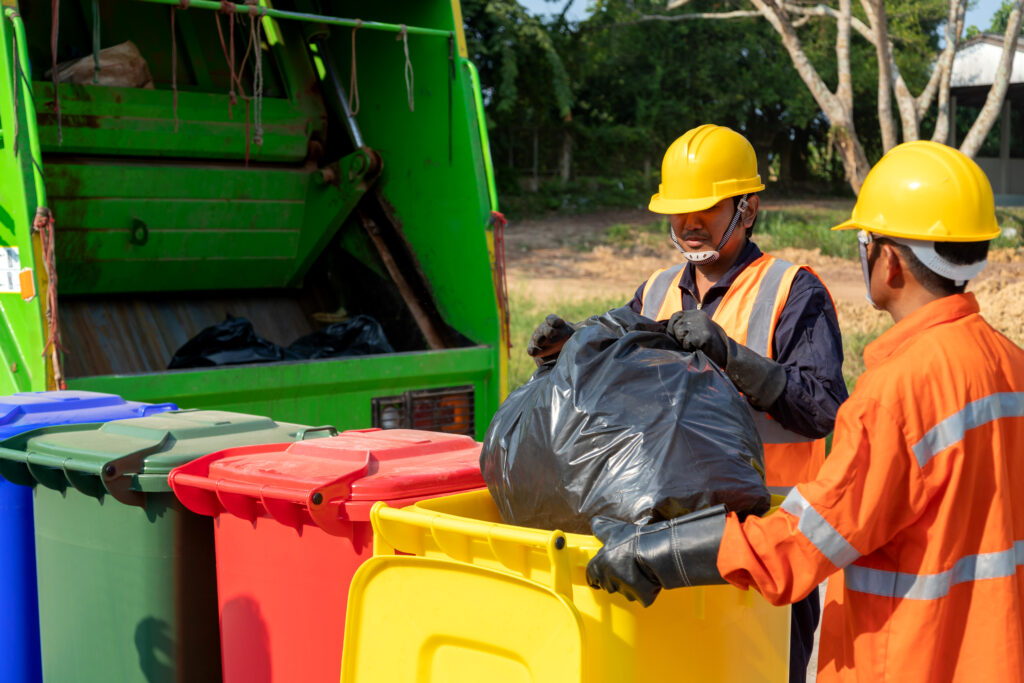
What the Swachh Bharat Mission is
Swachh Bharat Mission (Clean India Mission) is a flagship national campaign launched by the Government of India on 2 October 2014, aimed at eliminating open defecation, improving solid and liquid waste management, and instilling hygiene-oriented behavioural change across urban and rural India.
Divided into Swachh Bharat Mission (Gramin) for rural areas and Swachh Bharat Mission (Urban) for municipalities, the initiative focuses on building household and public toilets, eradicating manual scavenging, and establishing sustainable waste collection infrastructure.
Launched 2 October 2014
SBM-Gramin & SBM-Urban
A national commitment, launched in 2014
Swachh Bharat Abhiyan was launched by Prime Minister Narendra Modi on 2 October 2014 at Rajghat in New Delhi, on Mahatma Gandhi’s birth anniversary. The goal set at launch was an open-defecation-free India by 2 October 2019, Gandhi’s 150th birth anniversary, framing cleanliness as a tribute to Gandhi and as a shared national responsibility rather than the government’s alone.
The Mission runs in two arms: Swachh Bharat Mission (Gramin), under the Department of Drinking Water and Sanitation, and Swachh Bharat Mission (Urban), under the Ministry of Housing and Urban Affairs. Its second phase widened the mandate from sanitation to solid and liquid waste management, the part of the Mission that decentralised organic waste processing directly serves.
Launched at Rajghat
Prime Minister Narendra Modi launched the Mission at Rajghat in New Delhi on Mahatma Gandhi’s birth anniversary.
The target date
Set for Gandhi’s 150th birth anniversary. By 25 September 2019, 35 states and union territories, 699 districts and 5.99 lakh villages had been declared open-defecation free.
Gramin Phase II
The rural mission moved to ODF Plus, widening the focus from toilets to solid and liquid waste management.
Urban 2.0
The urban mission took on waste processing and garbage-free cities, backed by an outlay of Rs 30,980 crore.
Partnering in India’s Journey Towards a Cleaner Future
India’s commitment to cleaner cities, scientific waste management and a circular economy has accelerated the need for sustainable solutions that recover value from waste rather than sending it to landfill.
AeroShakti shares this vision. Through decentralised biomethanation, we help transform unavoidable organic waste into renewable energy and nutrient-rich biofertiliser, supporting cleaner communities, reducing greenhouse gas emissions and strengthening India’s transition towards sustainable resource management.
Our work aligns with the objectives of the Swachh Bharat Mission, the Solid Waste Management Rules, 2016, and India’s broader commitment to environmental sustainability and circular economy practices.
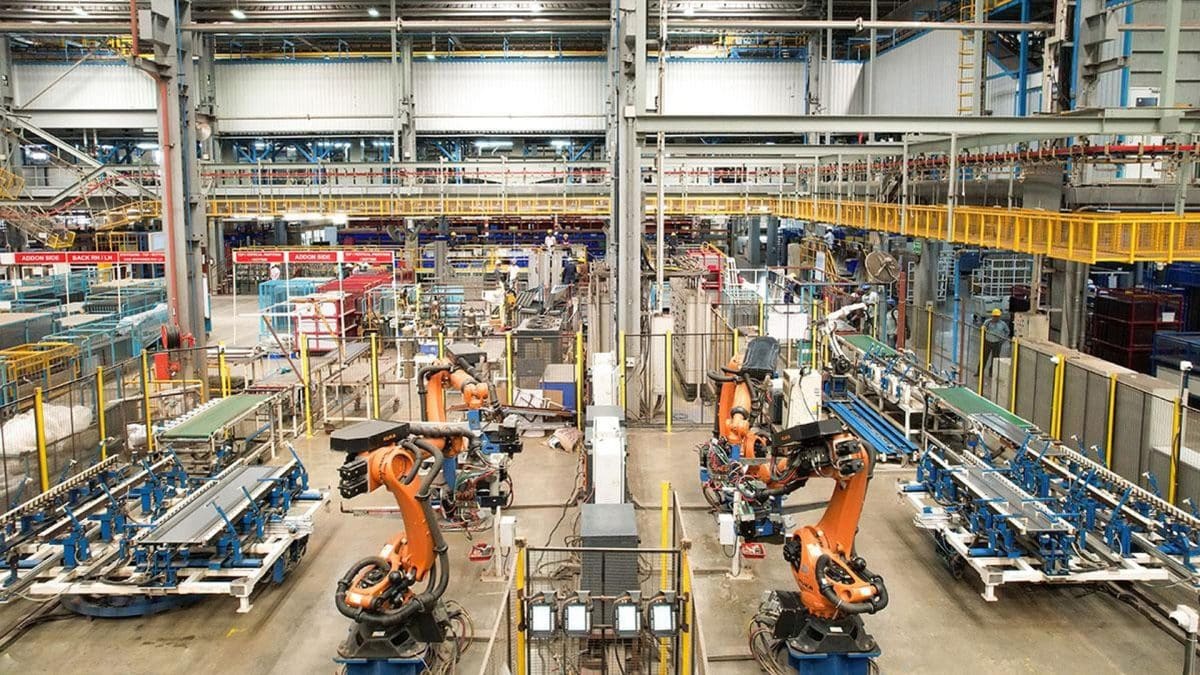
How our technology supports the Mission
Decentralised Waste Processing
SBM mandates local authorities and commercial entities to process organic waste at or near the source. We install on-site modular systems, such as anaerobic digesters, that treat bio-waste where it is generated.
Diverting Garbage from Landfills
By enabling businesses, municipal clients and hospitality operators to process food and organic waste directly, we reduce the total volume of waste going into public landfills, supporting SBM-Urban’s goal of garbage-free cities.
Resource Recovery & Circular Economy
Instead of letting organic matter rot in open dumps, our technology converts waste into usable biogas and organic fertiliser, advancing the circular economy principles prioritised under Swachh Bharat Phase II.
Milestones on the Road to a Cleaner India
- 2014Swachh Bharat Mission
- 2016SWM Rules
- 2021–26SBM-U 2.0: 100% source segregation & scientific processing
- 2030Circular Economy & Zero Waste to Landfill
- 2020Mumbai’s First Municipal Organic Waste-to-Energy Plant
- 2022Landmark decentralised biomethanation projects
- 202412 Million+ kg Organic Waste Processed
- 2025Expansion across the Mumbai Metropolitan Region
- 2030Vision: 50 decentralised biomethanation plants

Technology that helps you meet SBM guidelines
We facilitate compliance with SBM guidelines for private and municipal clients by supplying decentralised waste-to-green-energy and processing technology.
Where would you like to go next?
Get Started with AeroShakti
A simple way to start turning your organic waste into renewable energy.
CONNECT
Whether you are a hotel, hospital, residential community, institution, airport, food manufacturer or municipality, our team will assess your organic waste stream and recommend the most effective waste-to-green-energy solution. Every enquiry begins with a consultation focused on sustainability, operational efficiency and long-term value.
DESIGN
Our experts evaluate your waste generation, available space and operational requirements to design a customised collection and processing solution. From container placement and collection schedules to regulatory compliance and commissioning, we ensure a seamless implementation tailored to your facility.
BENEFIT
Your organic waste is transformed through advanced biomethanation into renewable biogas, green electricity and nutrient-rich organic fertiliser, reducing landfill dependence, lowering your carbon footprint and returning measurable value to your operation.
Ready to implement biogas solutions? Reach us for a free consultation.
Send us your waste volumes and location. You get an indicative plant size, expected gas output and a payback range within three working days.