Five sectors, five very different waste problems
The microbiology is the same everywhere. The volumes, contamination risk, gas demand profile and regulatory pressure are not, and that is what actually determines whether a plant pays for itself.
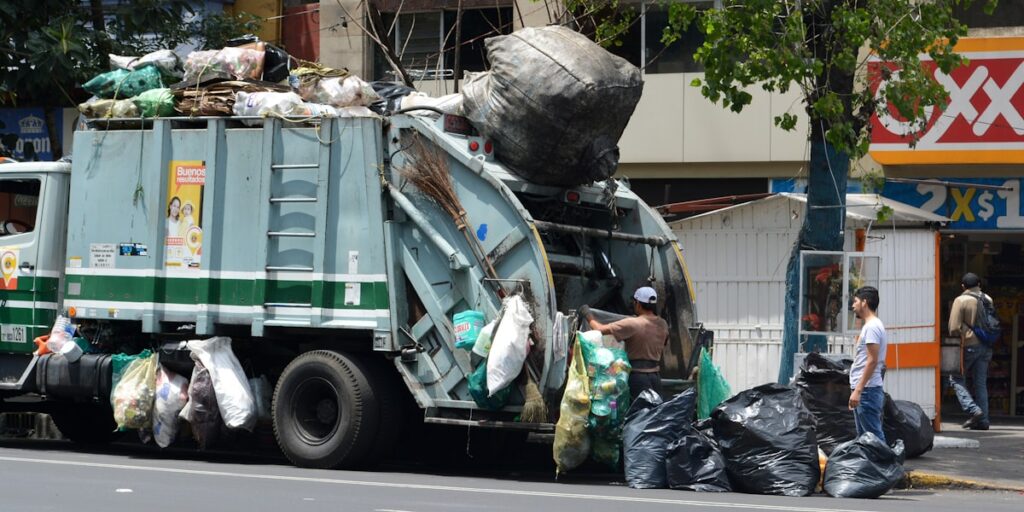
Municipalities and waste management bodies
Urban local bodies, nagar parishads, cantonment boards and the private operators contracted to run their collection. Typically handling 20 to 400 TPD of mixed municipal solid waste, of which half or more is wet and biodegradable.
- Landfill capacity exhausted or politically impossible to expand
- Haulage cost rising faster than the waste budget
- Leachate and methane liabilities at legacy dump sites
- Solid Waste Management Rules obligations with no processing capacity
How we solve it. Decentralised ward-level units instead of one distant mega-plant. Waste is processed within a few kilometres of where it is generated, which collapses transport cost, removes the leachate that escapes in transit, and makes the whole system resilient. One unit down does not stop the city. Gas goes to community kitchens, crematoria or a bottling offtake, and digestate goes to municipal horticulture.
Wet waste diverted from landfill
Reduction in haulage kilometres
Typical rollout across wards

Hospitality and food processing
Hotels, resorts, banquet halls, cloud kitchens, corporate and institutional canteens, and food processors. Concentrated, clean, high-moisture organic waste: the best feedstock there is, and usually the most expensive to dispose of.
- High disposal cost on waste that is 80% water
- Bulk waste generator obligations to process on site
- LPG and diesel bills that move with global prices
- Guest-facing sustainability commitments needing real numbers
How we solve it. Compact on-site digesters in the service yard, fed straight from the kitchen wet-waste stream. Because hospitality waste is clean and consistent, gas yields run at the high end, and the gas goes back into the same kitchen that produced the waste. Multi-property groups get one contract, one dashboard and consolidated reporting across sites.
Cut in kitchen fuel spend
Biogas per tonne of kitchen waste
Install to first gas
Residential and housing societies
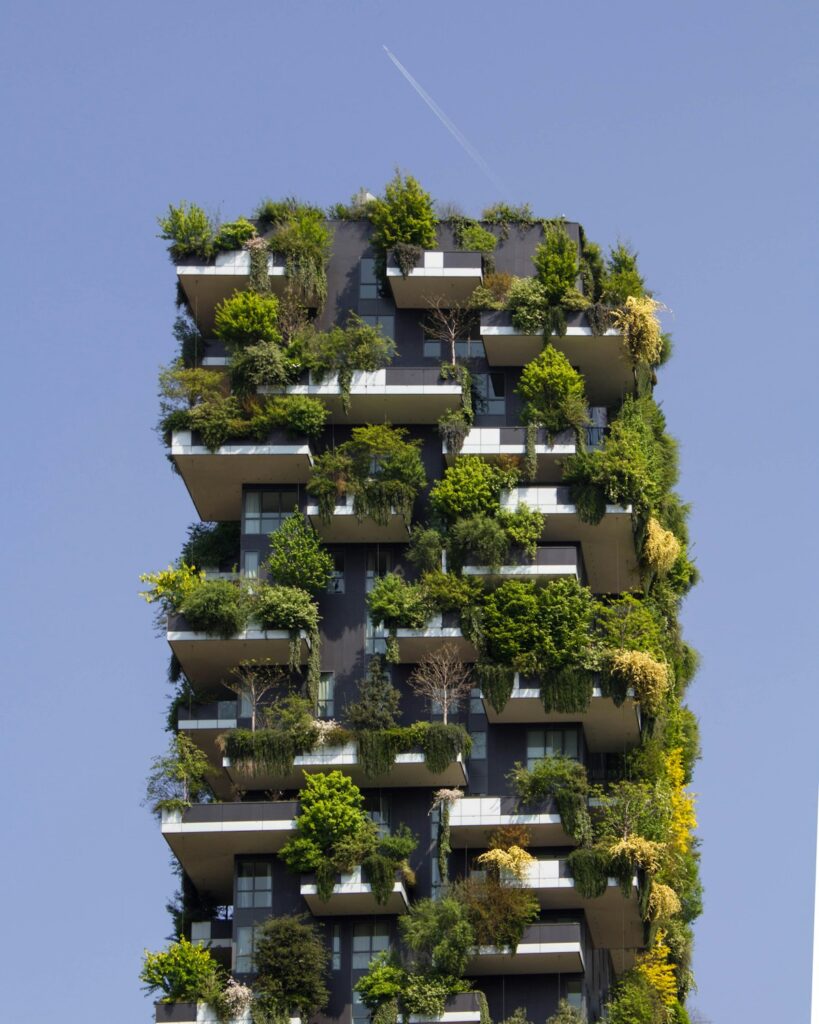
Gated communities, apartment complexes, townships, campuses and developers building to a sustainability specification. Usually 100 kg to 2 TPD of household wet waste from a defined, cooperative population.
- Bulk generator rules requiring on-site processing above 100 kg per day
- Resident resistance to anything that might smell
- Composting pits that stall, attract pests and get abandoned
- Green building certification targets to evidence
How we solve it. Fully enclosed, odour-controlled society plants sized to your headcount, plus the part most vendors skip: segregation onboarding for residents and housekeeping staff, because a society plant lives or dies on what goes into the green bin. Gas runs the community kitchen, clubhouse or security cabin, and digestate feeds the landscaping budget you already have.
On-site wet waste compliance
Open composting odour
Typical footprint
Farms and agriculture
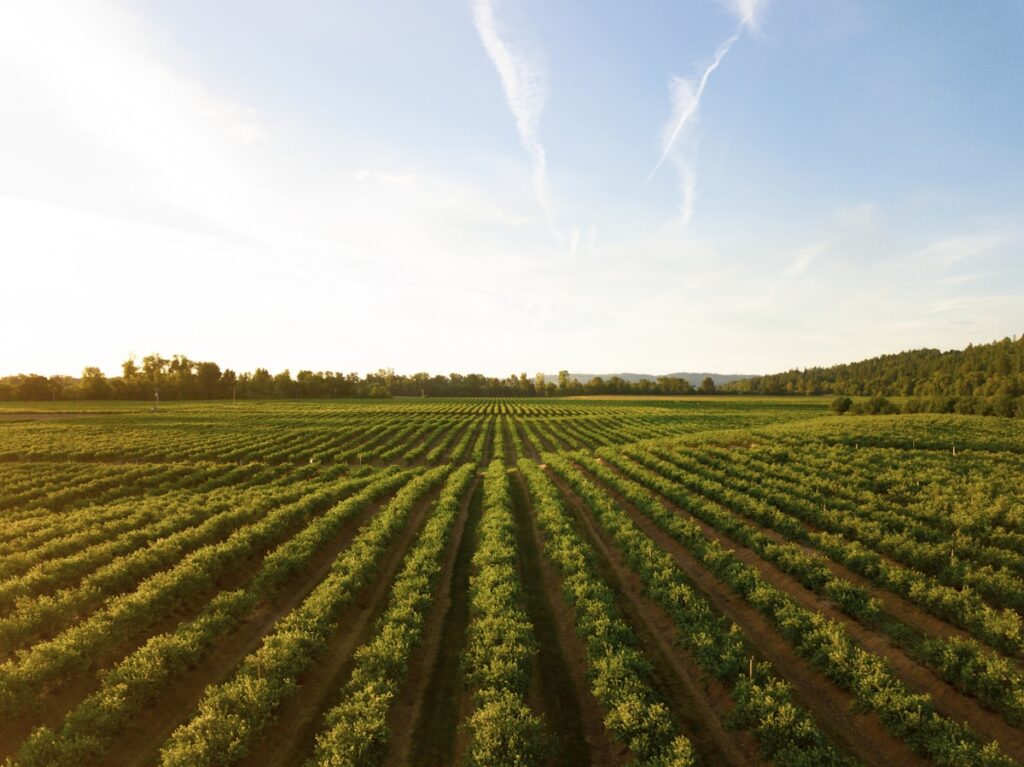
Dairy and poultry operations, agri co-operatives, plantations and progressive individual farms. Crop residue, animal waste, press mud and spoiled produce: abundant, seasonal, and currently burned or dumped as often as it is used.
- Residue burning under regulatory and social pressure
- Manure management, runoff and flies
- Fertiliser cost and declining soil organic carbon
- Unreliable grid power for pumps, chillers and processing
How we solve it. Farm-scale digesters co-fed with residue and animal waste, producing gas for on-farm thermal and power use and a digestate that goes straight back onto the land. This is the one segment where the by-product frequently outperforms the energy. Three seasons of digestate application measurably rebuilds organic carbon and cuts bought-in fertiliser.
Reduction in bought fertiliser
Residue burning required
To measurable soil carbon gain
Industries and agro-industries
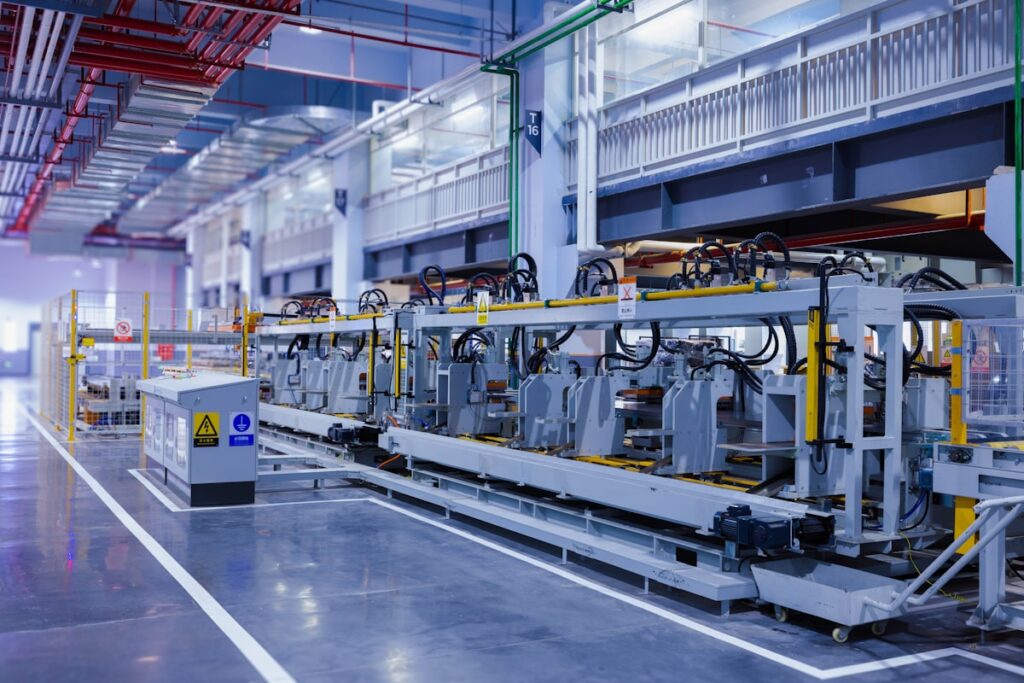
Distilleries, sugar mills, dairies, breweries, starch and pulp units, and food manufacturers. High-volume, high-strength organic effluent and solid rejects, plus a thermal load that runs continuously.
- Effluent treatment cost and discharge consent limits
- Coal, furnace oil or LPG exposure on process heat
- Scope 1 and 2 emissions reporting to customers and lenders
- Solid rejects with no viable disposal route
How we solve it. Industrial-scale digestion integrated with your existing effluent treatment, sized against your thermal demand curve rather than your waste volume alone. Gas displaces purchased fuel in boilers and dryers first, because that is where the value is, with surplus routed to captive power or CBG bottling. Because it sits inside your utilities, it reduces your COD load and your fuel bill in the same installation.
Largest single plant built
COD load reduction pre-treatment
Design to commissioning
Get Started with AeroShakti
A simple way to start turning your food waste into renewable energy.
CONNECT
Whether you are a hotel, hospital, residential community, institution, airport, food manufacturer or municipality, our team will assess your organic waste stream and recommend the most effective waste-to-energy solution. Every enquiry begins with a consultation focused on sustainability, operational efficiency and long-term value.
TRANSFORM
Our experts evaluate your waste generation, available space and operational requirements to design a customised collection and processing solution. From container placement and collection schedules to regulatory compliance and commissioning, we ensure a seamless implementation tailored to your facility.
BENEFIT
Your organic waste is transformed through advanced biomethanation into renewable biogas, green electricity and nutrient-rich organic fertiliser — reducing landfill dependence, lowering your carbon footprint and returning measurable value to your operation.
Not sure if we are the right fit? Reach us and we will assess your needs.
If anaerobic digestion is the wrong answer for your waste stream, we will say so and point you at what is. That conversation costs nothing.