Anaerobic Digestion
From trash to treasure : digesting waste for a cleaner future.
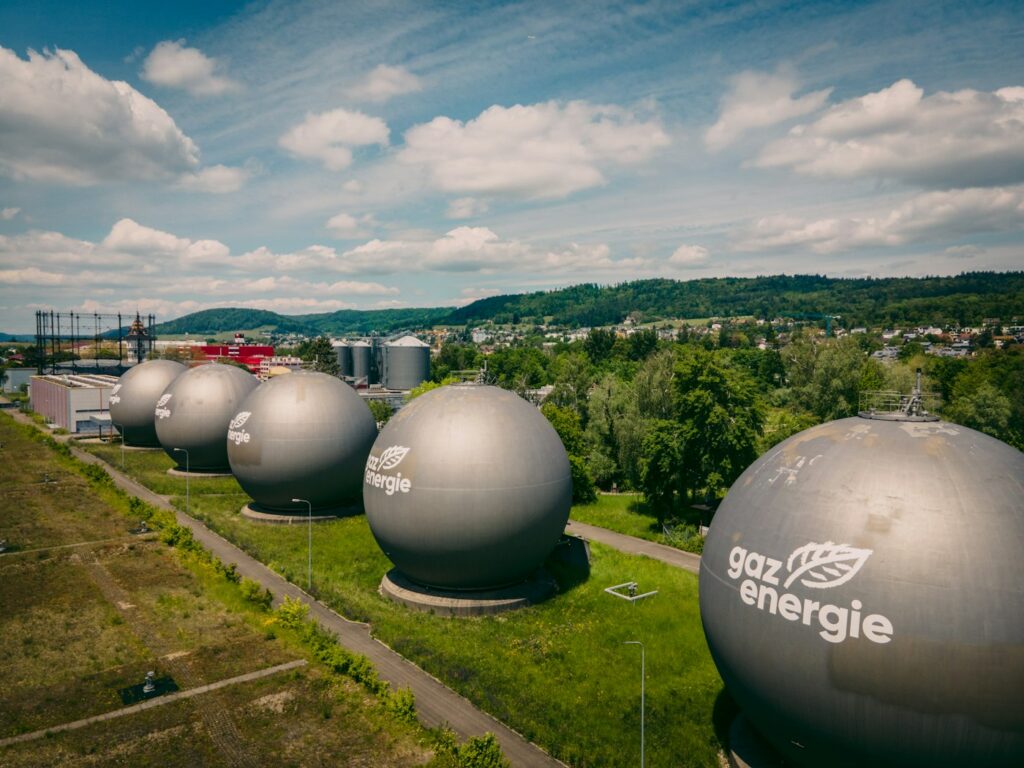
Transforming Food Waste Through Advanced Anaerobic Digestion
Food waste is a major driver of landfill accumulation and harmful methane emissions. Advanced anaerobic digestion turns this liability into an asset. Inside oxygen-free tanks, specialized microorganisms break down organic scraps, capturing volatile gases before they reach the atmosphere. Modern pretreatment technologies optimize feedstock slurry, accelerating breakdown speeds and increasing energy yields. By diverting waste from dumpsites, facilities cut carbon footprints and streamline resource management. This sustainable method redefines waste handling into a clean, renewable resource.
A Natural, Circular Process: Powering Energy and Enriching Soil
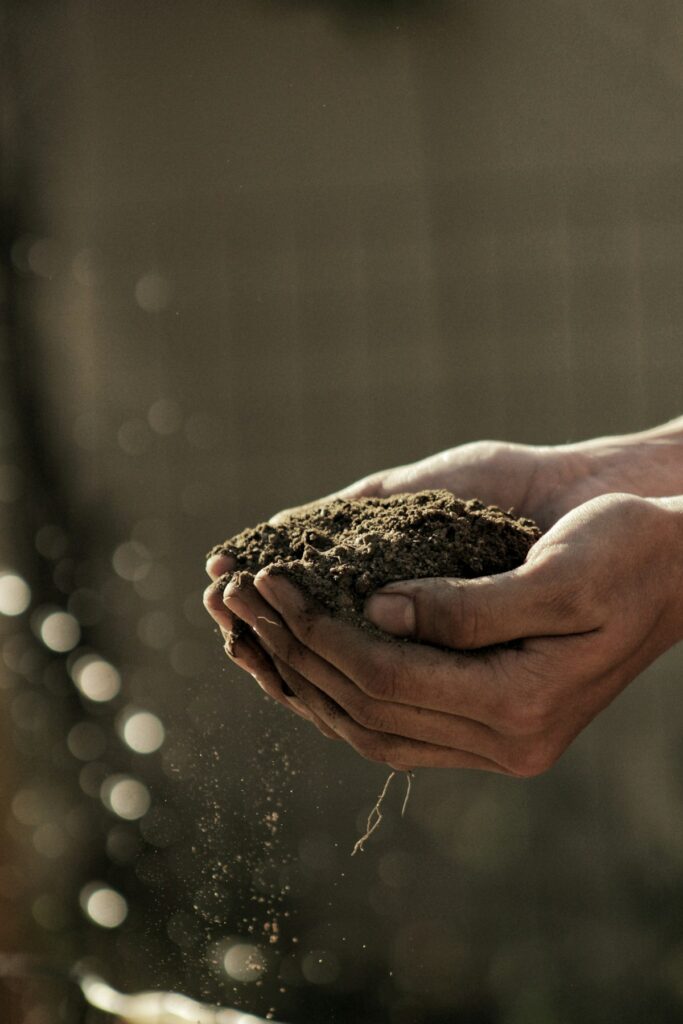
Anaerobic digestion mimics nature to close the resource loop. Microbes process organic matter through four biochemical phases: hydrolysis, acidogenesis, acetogenesis, and methanogenesis. The result is biogas a methane-rich fuel upgraded to renewable natural gas or electricity and digestate, a nutrient-packed byproduct. Replacing fossil fuels and chemical fertilizers, this dual output replenishes farm soils with essential nitrogen and phosphorus. By protecting ecosystems and generating green power, anaerobic digestion delivers a truly resilient, zero-waste bioeconomy.
How the biology works
Hydrolysis
Complex organic solids are broken down into soluble sugars, amino acids and fatty acids.
Acidogenesis
Fermentative bacteria convert those soluble compounds into volatile fatty acids.
Acetogenesis
Acids are converted further into acetate, hydrogen and carbon dioxide.
Methanogenesis
Methanogens produce the methane-rich biogas that leaves the digester.
How we transform food waste
Anaerobic digestion turns the organic waste you produce into renewable energy and biofertiliser. Here is what happens at every stage, from the moment a load reaches our facility to the point nutrients go back into the soil.
Food Waste Arrives
Collected food waste is delivered to the AeroShakti facility, where every load is weighed, recorded and checked against our intake criteria before it is accepted. Only suitable material enters the process, and full traceability is maintained from the moment waste arrives on site.
Preparing the Feedstock
Packaging and non-organic material are removed, then the solid and liquid streams are combined and blended into a slurry suited to digestion. The slurry moves into a receiving tank that acts as controlled storage and a buffer, so incoming volumes are managed and the feed into the next stage stays consistent.
Pasteurisation
The slurry passes through a pasteurisation stage, where it is held at a controlled temperature for a set period to remove harmful pathogens. This protects the digestion process and keeps the resulting biofertiliser safe for agricultural use.
Mix Tank
The pasteurised material is transferred to a mixing tank and blended to the consistency digestion requires. A uniform feedstock at this point allows digestion to run steadily and reliably, supporting consistent energy and biofertiliser output.
The Digestion Stage
The prepared feedstock is pumped into sealed digestion tanks, where naturally occurring microorganisms break it down in the absence of oxygen and release biogas, a gas rich in methane. Because this happens in a closed, continuously monitored environment, the process stays stable, safe and efficient.
Biogas into Energy
The biogas captured during digestion is put to work as renewable energy. It can be used in a combined heat and power unit to generate electricity and heat, or upgraded to bio-CNG for use as a clean vehicle and industrial fuel, displacing fossil fuel in both cases.
Creating Biofertiliser
What remains after digestion is a nutrient-rich digestate. Screening removes physical contaminants and quality checks keep its nutrient characteristics consistent, so it can be applied to farmland to improve soil health and support the next season of food crops.
Closed-Loop System
From food waste to energy and fertiliser, every stage of anaerobic digestion at AeroShakti is managed, monitored and controlled by our own teams. The result is a closed loop in which food waste is not simply removed but transformed into clean energy, healthy soil and measurable environmental benefit.
Get Started with AeroShakti
A simple way to start turning your food waste into renewable energy.
CONNECT
Whether you are a hotel, hospital, residential community, institution, airport, food manufacturer or municipality, our team will assess your organic waste stream and recommend the most effective waste-to-energy solution. Every enquiry begins with a consultation focused on sustainability, operational efficiency and long-term value.
TRANSFORM
Our experts evaluate your waste generation, available space and operational requirements to design a customised collection and processing solution. From container placement and collection schedules to regulatory compliance and commissioning, we ensure a seamless implementation tailored to your facility.
BENEFIT
Your organic waste is transformed through advanced biomethanation into renewable biogas, green electricity and nutrient-rich organic fertiliser — reducing landfill dependence, lowering your carbon footprint and returning measurable value to your operation.
Ready to implement biogas solutions? Reach us for a free consultation.
Send us your waste volumes and location. You get an indicative plant size, expected gas output and a payback range within three working days.